The careers today’s children will pursue may not even exist yet. Rapid advances in technology, shifting workplace expectations, and global collaboration are changing what it means to succeed. While academic achievement remains important, employers and universities increasingly value individuals who can think independently, communicate effectively, solve unfamiliar problems, and continue learning throughout their lives.
That shift has encouraged many parents searching for the best primary schools in Mumbai to look beyond grades and ask a more meaningful question: Is the school preparing children for the future, not just the next exam? The primary years build the foundation for lifelong learning. The habits, attitudes, and skills children develop during this stage often influence how confidently they face new opportunities and challenges later in life.
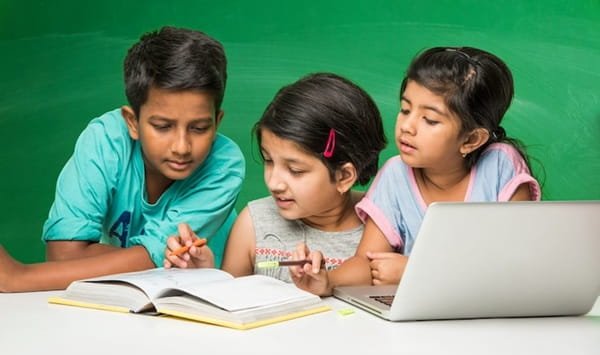
Looking Beyond Subjects to Build Lifelong Capabilities
Reading, mathematics, and science remain essential, but knowledge alone is no longer enough. Information is readily available, making it more valuable for children to understand how to evaluate, apply, and use that information effectively.
Future-focused education encourages students to:
- Think critically before making decisions.
- Express ideas clearly through speaking and writing.
- Work productively with others.
- Adapt to new situations.
- Take responsibility for their own learning.
- Approach challenges with confidence rather than fear.
These abilities support success across every profession, regardless of how industries evolve over the next two decades.
Curiosity Creates Better Learners Than Memorization Alone
Children naturally ask questions. The quality of education often depends on whether those questions are encouraged or discouraged. When classrooms promote curiosity, students become active participants instead of passive listeners. They begin connecting ideas across different subjects, exploring multiple solutions, and developing confidence in their own thinking.
Rather than focusing solely on finding the correct answer, effective learning environments help children understand the process behind discovering that answer. This approach strengthens analytical thinking that remains valuable throughout life.
Communication Will Continue to Be a Universal Skill
No matter how technology changes, people will continue working with people. Children who learn to express opinions respectfully, present ideas confidently, and listen carefully to others develop communication skills that support both academic and professional success.
Schools can nurture these abilities through:
- Classroom discussions.
- Collaborative projects.
- Creative writing.
- Group activities.
- Public speaking opportunities.
These experiences help children become confident communicators who can contribute meaningfully in diverse environments.
Resilience Helps Children Handle an Unpredictable Future
Success rarely follows a straight path. Learning how to respond to setbacks may be just as important as achieving high marks. This mindset prepares them for higher education, future careers, and everyday life.
Children benefit when they experience challenges that encourage them to:
- Learn from mistakes.
- Try different approaches.
- Manage disappointment positively.
- Build confidence through persistence.
- Celebrate improvement rather than perfection.
Technology Should Be a Learning Tool, Not the Entire Learning Experience
Digital literacy has become an essential life skill. Yet meaningful education goes beyond simply using devices in the classroom. Developing these habits prepares students to navigate an increasingly digital world while maintaining strong interpersonal and creative skills.
Children should learn how to:
- Evaluate online information critically.
- Use technology responsibly.
- Collaborate through digital platforms.
- Balance screen-based learning with real-world experiences.
- Apply technology to solve practical problems.
Real-World Learning Makes Knowledge More Meaningful
Children remember lessons more effectively when they understand their relevance. Project-based activities, practical investigations, collaborative assignments, and experiential learning help students connect classroom concepts to everyday situations.
Parents evaluating a primary school in Pune often appreciate schools that create opportunities for children to apply knowledge instead of simply recalling facts during examinations. Learning becomes deeper when students see how different subjects work together to solve real problems.
Emotional Intelligence Is Becoming Just as Valuable as Academic Intelligence
Future workplaces increasingly value individuals who understand themselves and work well with others. These qualities contribute to healthier relationships, stronger teamwork, and greater confidence throughout adulthood.
Primary education plays an important role in helping children develop:
- Self-awareness.
- Emotional regulation.
- Respect for different perspectives.
- Responsible decision-making.
Independence Begins Earlier Than Many Parents Realize
Children gradually become independent when they are trusted with age-appropriate responsibilities. Instead of depending entirely on teacher direction, students begin developing the confidence to manage their own learning journey.
Schools that encourage ownership of learning help students:
- Organize tasks.
- Set achievable goals.
- Reflect on their progress.
- Make informed decisions.
- Take initiative during classroom activities.
Global Awareness Prepares Children for Connected Communities
Today’s children are growing up in an interconnected world where collaboration often extends across cultures and countries.
Learning experiences that introduce diverse perspectives encourage students to:
- Appreciate different cultures.
- Respect varied viewpoints.
- Understand global challenges.
- Develop responsible citizenship.
- Think beyond local boundaries.
These experiences broaden children’s understanding of the world while helping them become adaptable individuals who can thrive in multicultural environments.
Choosing a School With the Future in Mind
Parents naturally consider academics, infrastructure, and extracurricular activities when selecting a school. Equally important is understanding how the school develops the skills children will continue using throughout adulthood.
Questions worth asking include:
- Does the school encourage independent thinking?
- Are students given opportunities to collaborate?
- How is creativity supported?
- Are communication and leadership actively developed?
- Does learning extend beyond textbooks?
- How are resilience and confidence nurtured?
Schools that combine academic excellence with holistic development often prepare children more effectively for an uncertain future.
Conclusion
Preparing children for an unpredictable future begins long before career choices or university applications. The primary years shape how they think, respond to challenges, work with others, and approach lifelong learning. While academic knowledge provides the foundation, qualities such as curiosity, resilience, adaptability, and communication enable children to thrive in a world that will continue to evolve. For parents, the decision should focus on finding a learning environment that nurtures both intellectual growth and essential life skills. Whether evaluating a primary school in Pune or elsewhere, choosing a school that prepares children for lifelong success is an investment that continues to deliver value well beyond the classroom.
Billabong High International School believes primary education should nurture academic growth alongside creativity, confidence, collaboration, and independent thinking. Through a balanced learning approach that supports holistic development, the school strives to help children build the knowledge, skills, and mindset needed to succeed in an ever-changing world.