When debt starts piling up, it is easy to feel stuck between trying to keep up with payments and worrying about the long-term financial impact. Many people reach a point where they begin exploring different forms of debt relief to regain control of their finances. Debt relief comes in many forms, each offering unique benefits depending on the type of debt you have, your income, and your overall financial goals. Some options are simple and designed to make payments more manageable, while others are more complex and intended for people facing significant financial hardship.
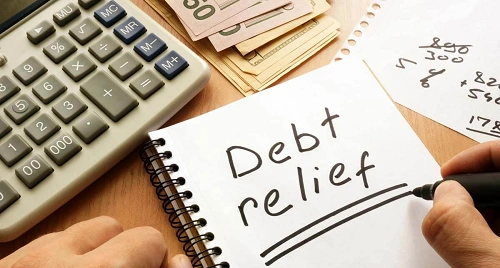
Understanding the range of debt relief strategies can help you choose a path that meets your needs without rushing into drastic measures. Not every solution fits every situation. Some approaches help reduce interest and simplify repayment, while others aim to settle or eliminate debts entirely. Thinking through each option allows you to make an informed decision and take meaningful steps toward financial stability.
Exploring your options is not just about solving today’s problems. It is about creating long term habits and a sustainable plan that helps you avoid falling back into debt once you regain control of your finances.
Debt Consolidation Loans
One of the most accessible forms of debt relief is a debt consolidation loan. This strategy involves taking out a new loan with a lower interest rate and using it to pay off multiple high interest debts. The main benefit is simplicity. Instead of juggling several payment dates and balances, you make one monthly payment to one lender.
Consolidation works best for people who still have solid credit scores or enough income to qualify for a favorable loan. A lower interest rate can help you save money and pay down debt faster. However, consolidation does not reduce your total debt. It simply restructures how you repay it.
Borrowers should be careful not to accumulate new credit card balances after consolidating. Otherwise, they could end up with more debt than they started with.
Debt Management Plans Through Credit Counseling
Debt management plans offer a structured and supportive approach to handling unsecured debt. Through a nonprofit credit counseling agency, you can combine multiple unsecured debts into a single monthly payment, often with reduced interest rates negotiated by the counselor.
This option is ideal for people who need help organizing their finances but want to avoid taking out new loans or pursuing more drastic measures. Credit counseling agencies also provide budgeting guidance, financial education, and long-term planning support.
These programs can take several years to complete but offer a clear path toward becoming debt free. If you want to better understand credit counseling and its role in financial health, the National Foundation for Credit Counseling provides additional resources: NFCC financial counseling information.
Balance Transfer Credit Cards
For borrowers with good credit, balance transfer credit cards with low or zero percent introductory APR offers can reduce or eliminate interest for a promotional period. This approach allows you to focus on paying down the principal without interest piling up.
While balance transfers can be helpful, they require discipline. You must pay off the transferred balance before the promotional period ends and avoid making new purchases that can accumulate interest. Balance transfer fees may also apply, so it is important to consider whether the savings outweigh the costs.
Debt Settlement Options
Debt settlement is a more aggressive form of debt relief designed for people experiencing financial hardship. Instead of repaying the full balance, you work with a settlement company or negotiate directly with creditors to pay a reduced amount. Creditors may accept lower payments if they believe the alternative is receiving nothing at all.
Settlement can significantly reduce your debt, but it comes with tradeoffs such as credit score impact, collection calls, and the possibility of being taxed on forgiven debt. This option is typically suited for people who are struggling with delinquent accounts and cannot realistically repay the full balances.
Negotiating Directly with Creditors
Some people prefer to negotiate directly with their creditors instead of enrolling in formal programs. Credit card issuers and lenders may reduce interest rates, offer temporary hardship plans, or adjust minimum payments based on your circumstances.
This approach requires strong communication skills and persistence. Not all creditors will negotiate, but many have hardship policies in place for customers facing financial challenges. The Consumer Financial Protection Bureau offers guidance on how to work with creditors and understand your rights: CFPB debt assistance information.
Bankruptcy Alternatives for Severe Financial Hardship
For individuals facing severe debt issues, alternatives to bankruptcy may still provide relief without the long-term consequences of filing Chapter 7 or Chapter 13. These alternatives can include:
Structured repayment plans through nonprofit agencies
State specific hardship programs
Negotiated settlements for specific types of debt
Legal assistance for disputing inaccurate or invalid debts
While bankruptcy can provide a fresh start, it also significantly affects credit and financial opportunities for years. Exploring alternatives first can help determine whether less drastic measures may resolve the situation.
When Bankruptcy Might Be Necessary
Although this guide focuses on alternatives, there are times when bankruptcy becomes the most practical option. If debt far exceeds your ability to repay and other relief methods have not worked, bankruptcy can wipe out eligible debts or create a court supervised repayment plan.
Before pursuing bankruptcy, it is important to speak with a qualified attorney who can explain the implications and help you understand whether you qualify.
Final Thoughts
Debt relief comes in many forms, and the best option depends on your financial situation, goals, and comfort level with each approach. Whether you choose consolidation, credit counseling, balance transfers, settlement, or a bankruptcy alternative, the most important step is understanding the tools available to you. By exploring these options, you can create a clear plan for managing debt, improving financial stability, and working toward long term financial success.