
Arabic is one of the oldest and most influential languages in the world. It is spoken across many countries in the Middle East and North Africa, including Saudi Arabia, Egypt, and United Arab Emirates. Arabic is also the language of the Quran, which makes it important for millions of Muslims around the world. Because of its cultural, religious, and business importance, many people want to learn Arabic. But one common question remains — is Arabic easy to learn?
For most beginners, Arabic feels difficult at first. The script, pronunciation, and grammar are very different from English and many European languages. However, Arabic also has logical patterns and beautiful structure that become easier with practice and exposure.
Why Arabic Feels Difficult for Beginners
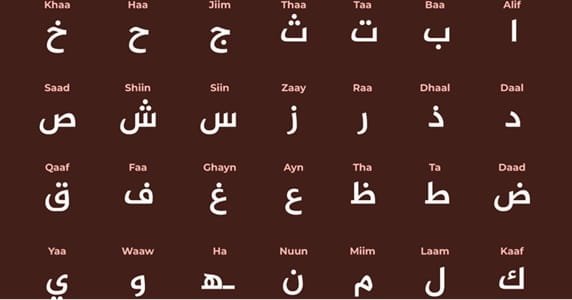
One of the first challenges learners face is the Arabic script. Arabic uses a completely different writing system from English.
For example:
- ا
- ب
- ت
- ث
Arabic is also written from right to left, which feels unusual for many beginners. In addition, letters can change shape depending on their position in a word.
At first, reading Arabic may look confusing, but learners usually become comfortable after regular practice.
Pronunciation is another major challenge. Arabic contains sounds that do not exist in English. Some letters come from deep in the throat, which can feel difficult for beginners.
Words may sound very similar to new learners, especially when listening to fast native speech.
Arabic Grammar Can Be Complex
Arabic grammar is often considered one of the harder parts of the language. Words change depending on gender, tense, and sentence structure.
Arabic nouns can be:
- Masculine
- Feminine
- Singular
- Dual
- Plural
Verb forms also change based on the speaker and situation. For example, the verb structure used for “he wrote” differs from “they wrote” or “she writes.”
This can feel overwhelming in the beginning, especially for learners whose native language has simpler grammar systems.
Formal Arabic and spoken dialects also create confusion. Modern Standard Arabic is used in books, news, and formal communication, while daily conversations differ across countries.
The Simple Side of Arabic
Although Arabic seems difficult at first, some parts are very organized. Arabic words are often built from root systems. Many words come from the same three-letter root, which helps learners recognize patterns.
For example, words connected to writing may come from the same root letters. Once learners understand these systems, vocabulary becomes easier to remember.
Arabic pronunciation is also consistent compared to English. Most Arabic words are spoken the way they are written.
Unlike English spelling, Arabic usually follows clearer sound rules.
Learning Arabic Takes Patience
Arabic is not usually learned quickly. Most learners need time to adjust to the script, sounds, and grammar. But steady practice makes a huge difference.
Helpful habits include:
- Listening to Arabic daily
- Practicing the alphabet regularly
- Watching Arabic shows
- Learning common phrases first
- Speaking with native speakers
Many beginners try to memorize too much grammar early. But focusing on simple conversations and listening skills often works better in the beginning.
Arabic Dialects Can Be Confusing
One interesting challenge of Arabic is its dialect system. Arabic spoken in Morocco may sound very different from Arabic spoken in Lebanon or Iraq.
Some words, pronunciation styles, and expressions change by region. This surprises many learners because school textbooks usually teach Modern Standard Arabic first.
Still, understanding one form of Arabic makes learning other dialects easier later.
Is Arabic Harder Than English?
For English speakers, Arabic is generally considered harder than languages like Spanish or French. The writing system, pronunciation, and grammar require more adjustment.
However, Arabic is not impossible to learn. Many learners become fluent through regular exposure and practice. The key difference is that Arabic often requires more patience during the early stages.
Once learners become familiar with the script and common patterns, progress starts feeling more natural.
Conclusion
Arabic is not usually considered an easy language for beginners, especially because of its script, grammar, and pronunciation. Still, it is a deeply rich and rewarding language with strong cultural and historical importance.
The beginning may feel challenging, but Arabic becomes easier step by step with consistency and daily exposure. Like every language, success depends less on talent and more on regular practice, patience, and confidence.