

Hindi is one of the most spoken languages in the world and is widely used across India. It is the primary language for millions of people and is commonly heard in movies, music, television, and daily conversation. Because of the global popularity of Bollywood and Indian culture, many people from different countries are becoming interested in learning Hindi. But one common question remains — is Hindi easy to learn?
The answer depends on the learner’s background and native language. For some people, Hindi feels natural and simple, while for others it may seem challenging in the beginning. Still, Hindi has several features that make it easier than many people expect.
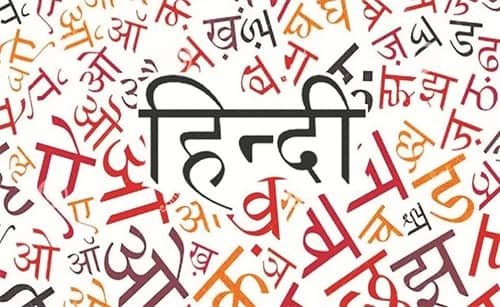
Why Hindi Feels Easy for Beginners
One of the biggest advantages of Hindi is its pronunciation. Hindi words are mostly spoken exactly the way they are written. Unlike English, where spelling and pronunciation often differ, Hindi follows clearer sound rules.
For example:
- कमल is pronounced “Kamal”
- पानी is pronounced “Paani”
- घर is pronounced “Ghar”
This makes reading easier once learners understand the script.
Hindi sentence structure is also fairly organized. Most Hindi sentences follow:
Subject + Object + Verb
For example:
- मैं खाना खाता हूँ।
- She translated: “I food eat.”
At first this may feel unusual for English speakers, but learners usually adjust quickly after practice.
Another reason Hindi feels accessible is the large amount of Hindi content available online. Movies, songs, TV serials, and YouTube videos help learners hear natural conversations daily.
The Challenge of the Devanagari Script
One part that beginners often find difficult is the Hindi writing system called Devanagari.
Unlike English alphabets, Hindi uses a completely different script:
- अ, आ, इ, ई
- क, ख, ग, घ
At first, these letters may look confusing. But Devanagari is actually very logical once learners understand the sound patterns. Many students can learn basic reading within a few weeks of regular practice.
Writing Hindi by hand may take time in the beginning, but reading becomes easier gradually because pronunciation rules stay consistent.
Grammar Can Be Confusing Sometimes
Although Hindi pronunciation is simpler than English, grammar can create challenges later.
Hindi nouns often have gender:
- किताब (book) is feminine
- कमरा (room) is masculine
Verbs and adjectives also change according to gender and number. For example:
- वह गया। (He went)
- वह गई। (She went)
This can confuse learners whose native language does not use grammatical gender.
Formal and informal speech is another important part of Hindi. Different words are used depending on respect and relationship:
- तू
- तुम
- आप
Choosing the correct form takes practice and cultural understanding.
Hindi Is Easier Through Daily Exposure
One reason Hindi becomes easier today is constant exposure through entertainment and social media. Many learners pick up common words naturally through Bollywood songs, Indian web series, and online videos.
Simple words like:
- नमस्ते
- धन्यवाद
- पानी
- दोस्त
often become familiar even before formal learning begins.
Practice with native speakers also helps learners improve quickly. Hindi is a conversational language, so speaking regularly builds confidence faster than memorizing grammar alone.
Is Hindi Harder Than English?
For English speakers, Hindi may feel harder in the beginning because of the script and sentence structure. However, Hindi spelling is usually more consistent than English spelling.
English has many confusing pronunciation rules, while Hindi pronunciation follows clearer patterns. Once learners understand Devanagari and basic grammar, reading and speaking become smoother.
For people who already know languages like Sanskrit, Urdu, Marathi, or Nepali, learning Hindi often feels much easier because of shared vocabulary and grammar similarities.
Conclusion
Hindi is not the easiest language for every learner, but it is far from impossible. Its clear pronunciation system and structured writing style make it easier in some ways than English. At the same time, gender rules, verb changes, and the Devanagari script can take time to master.
In the end, Hindi becomes easier through regular listening, speaking, reading, and practice. Like any language, consistency matters more than speed. With patience and daily exposure, anyone can slowly become comfortable with Hindi and enjoy the rich culture connected to it.