
NIOS is one of the most well-known open schooling systems in India. Thousands of students enroll in NIOS every year for secondary and senior secondary education. A common question that students and parents often ask is whether NIOS is a government institution or a private one.
NIOS is a government institution, it is owned and managed by the Government of India under the Ministry of Education. NIOS is not a private organization and is not run by any private trust or company.
Despite being a government body, some students are unsure about its status because NIOS operates differently from regular government schools and boards. Understanding what NIOS is and how it works helps clear this confusion.
What Is NIOS?
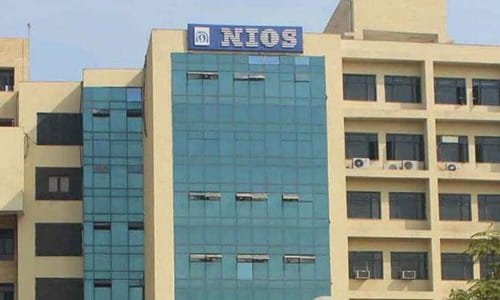
NIOS stands for National Institute of Open Schooling. It was established in 1989 by the Government of India. NIOS is the largest open schooling system in the world in terms of enrollment.
NIOS was created to provide education to students who cannot attend regular schools due to various reasons such as distance, work, health, or personal circumstances. It follows a flexible, open, and distance learning model.
NIOS offers programs and courses at the following levels:
- Secondary (Class 10 equivalent)
- Senior Secondary (Class 12 equivalent)
- Vocational education and training courses
- Life Enrichment Programs
- Open Basic Education (OBE) for adult learners
NIOS certificates are recognized as equivalent to CBSE and other national board certificates for the purpose of higher education admissions and government jobs.
Is NIOS a Government Institution?
Yes, NIOS is fully a government institution. It functions as an autonomous organization under the Ministry of Education, Government of India. It was set up through a government resolution and operates under government oversight.
Because NIOS is a government institution:
- It is funded by the Government of India.
- Its academic policies and examination systems are regulated by the government.
- Its certificates carry national recognition equivalent to CBSE.
- It operates study centres across India under government-approved systems.
- Fees are kept affordable because of government support.
NIOS is officially recognized by the Association of Indian Universities (AIU) and the Government of India, making its qualifications valid for university admissions and central government jobs.
Why Do Some People Think NIOS Is Private?
There are a few reasons why this confusion exists.
First, NIOS operates through a large network of accredited study centres, many of which are run by private schools and organizations. Students enrolling through these private study centres sometimes assume the entire system is privately managed.
Second, NIOS does not operate like a traditional government school with daily attendance requirements. Its open and distance learning model is different from regular government schools, which makes it seem less official to some people.
Third, there are many private coaching centres and agents that help students enroll in NIOS for a fee. This involvement of private intermediaries creates the impression that NIOS itself is a private system.
How Is NIOS Funded?
NIOS receives financial support from the Government of India through the Ministry of Education. The funding is used for:
- Development and printing of study materials
- Staff salaries and administrative operations
- Examination conduct and certification
- Expansion of study centres across India
- Programs for differently-abled students and adult learners
NIOS also generates some revenue through student enrollment fees and examination fees. However, the primary funding and overall control remain with the Government of India.
Difference Between NIOS and Private Open Schools
There are several key differences between NIOS and private open schooling options.
- Ownership
- NIOS is owned and operated by the Government of India.
- Private open schools are owned by private organizations or trusts.
- Recognition
- NIOS certificates are fully recognized by the Government of India and equivalent to CBSE.
- Recognition of private open school certificates may vary and is often more limited.
- Fee Structure
- NIOS fees are low and regulated because of government funding.
- Private open schools may charge significantly higher fees.
- Admission Process
- NIOS enrollments follow a centralized government process with fixed admission windows.
- Private open schools may have flexible or open admissions throughout the year.
Why NIOS Is Popular
NIOS is widely chosen by students across India for many reasons. Students prefer NIOS because of:
- Flexible study schedule without daily attendance requirements
- Affordable fees compared to regular private schools
- Government-recognized certificates accepted for higher education and jobs
- Option to appear in on-demand examinations
- Availability of vocational and skill-based courses
- Accessibility for students in remote areas, working students, and differently-abled learners
NIOS plays an important role in making education accessible to students who cannot follow the traditional schooling system due to various personal, social, or geographical reasons.
Conclusion
NIOS is a government institution, not a private one. It is owned and managed by the Government of India under the Ministry of Education and is one of the largest open schooling systems in the world.
Although NIOS operates through private study centres and follows a flexible learning model, the institution itself remains fully government-owned and government-funded. Its certificates are nationally recognized and carry the same value as certificates from other major government boards like CBSE.