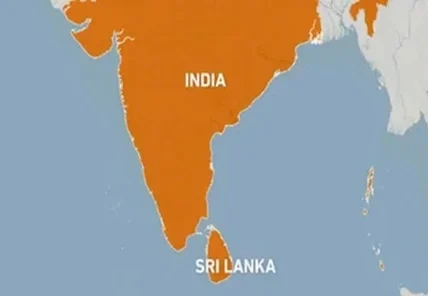
Reservation in India has always been a topic of debate, emotion, and misunderstanding. Many people see it only as a caste-based system that provides quotas in education, government jobs, and political representation. However, reservation in India was never meant to divide society it was introduced to correct historical injustices, provide equal opportunities, and ensure social justice for communities that faced discrimination for centuries.
In 2025, reservation continues to be an important tool in ensuring inclusion, representation, and fairness in a diverse country like India. To understand why reservation is important, we must look at both the past and the present realities of Indian society.
1. To Correct Historical Inequalities
For thousands of years, Indian society followed a rigid caste system. Many communities—especially Dalits, Adivasis, and Other Backward Classes (OBCs)—were denied access to education, temples, land, and even basic human rights. They were not allowed to participate in social, economic, or political activities.
Reservation was introduced to correct these deep-rooted inequalities. It aims to uplift the communities that were systematically kept away from opportunities. Without reservation, these groups would struggle to compete with communities that have had generations of advantages.
2. To Provide Equal Opportunities, Not Extra Privilege
One major misunderstanding is that reservation gives “extra benefits.” In reality, reservation is meant to create equal starting points.
For example:
- A child from a well-off family in a big city has access to good schools, coaching, and resources.
- A child from a poor Dalit or tribal family in a remote village may not even have proper schools, electricity, or books.
Both may have the ability, but their circumstances are completely different.
Reservation helps bridge this gap. It ensures that historically disadvantaged groups get a fair chance to access education, jobs, and opportunities that were earlier denied to them.
3. To Promote Social Justice and Inclusion
India is a vast country with multiple castes, tribes, cultures, and communities. Social justice is the foundation of our Constitution. Reservation helps ensure that:
- marginalised communities get a seat at decision-making tables
- they are represented in government, education, and politics
- their voices are heard at national and state levels
Without reservation, many of these communities would remain underrepresented, and India’s democracy would not be truly inclusive.
4. To Reduce Poverty Among Backward Communities
Many Scheduled Castes (SCs), Scheduled Tribes (STs), and OBCs continue to face high levels of poverty even today. Lack of land, education, social acceptance, and access to resources keeps them economically weak.
Reservation helps these communities rise out of poverty by giving them better access to:
- higher education
- government employment
- scholarships
- social welfare schemes
This leads to better livelihoods, improved income, and long-term development.
5. To Break Social Barriers and Promote Diversity
Reservation helps integrate historically isolated communities into mainstream society. When students from various castes and tribes study together, it promotes:
- social harmony
- cultural understanding
- reduction in caste-based discrimination
- diversity in classrooms and workplaces
This mixing of communities makes Indian society more united and progressive.
6. To Empower Marginalised Communities Politically
Reservation in Panchayats, Municipalities, and Parliament ensures that SCs, STs, OBCs, and women have political representation. Leaders from these communities can raise issues specific to their people, such as:
- land rights
- discrimination
- unemployment
- tribal welfare
- social justice
- access to healthcare and education
Without political participation, their issues would remain ignored.
7. To Balance the Social and Economic Gap
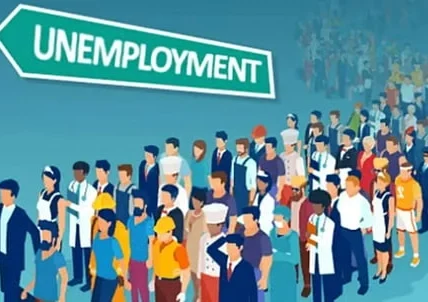
India’s inequalities are not just social—they are also economic. Wealth, property, and resources are concentrated in a few communities. Reservation helps balance this inequality by giving weaker sections access to stable jobs and education.
It creates a more balanced and fair society where everyone gets a chance to progress, not just the privileged few.
8. Because Discrimination Still Exists
While India has progressed, discrimination has not disappeared. Caste-based exclusion, untouchability, bias in hiring, unequal treatment in schools, and social barriers still affect millions.
Reservation is still important because the inequality created over centuries cannot be erased in a few decades. Until discrimination completely disappears, reservation remains necessary.
Conclusion
Reservation is important in India because it promotes equality, justice, and inclusion. It helps uplift historically disadvantaged communities, gives them equal opportunities, and ensures representation in education, jobs, and politics. While India has made progress, social and economic inequalities still exist. Therefore, reservation remains an essential tool to build a fair and inclusive society.