
Kendriya Vidyalaya Sangathan, commonly known as KVS, is one of the most recognized school systems in India. Many parents and students often ask whether KVS schools are government institutions or private schools.
The simple answer is that KVS is a government organization. Kendriya Vidyalayas are fully managed and funded by the Government of India.
KVS schools are famous for affordable education, disciplined academic systems, experienced teachers, and consistent curriculum across the country. Because of their quality education and strong reputation, some people mistakenly think they are private schools, but they are actually government schools.
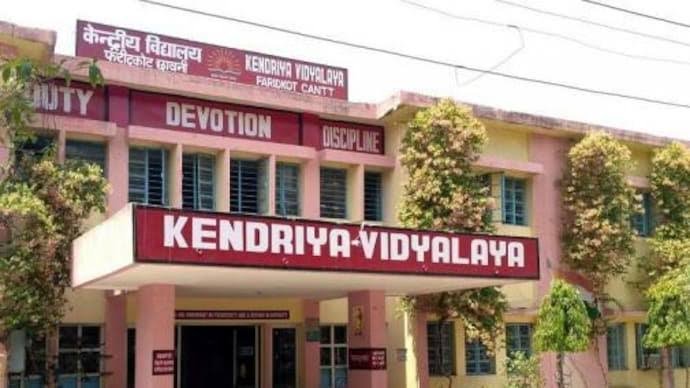
What Is KVS?
KVS stands for Kendriya Vidyalaya Sangathan. It is an autonomous organization under the Ministry of Education, Government of India.
The KVS system was established in 1963 mainly to provide uniform education to the children of central government employees who are frequently transferred from one place to another.
Today, Kendriya Vidyalayas are present across India and even in some foreign locations. These schools follow the CBSE curriculum and provide education from primary classes to higher secondary level.
Is KVS a Government Institution?
Yes, KVS is a government institution. It functions under the Ministry of Education and is fully controlled by the central government.
Because KVS is government-run:
- Schools receive funding from the Government of India.
- Teachers are recruited through government procedures.
- The fee structure is much lower than most private schools.
- Schools follow government-approved educational policies.
Kendriya Vidyalayas are considered central government schools.
Why Do Some People Think KVS Is Private?
There are several reasons for this confusion.
First, many Kendriya Vidyalaya schools have good infrastructure, disciplined environments, smart classrooms, and quality teaching similar to top private schools.
Second, students from KVS often perform well in academics, competitive exams, and extracurricular activities. This creates the impression that the schools may be privately managed.
Another reason is that KVS operates independently in many administrative matters. However, administrative autonomy does not mean private ownership.
Even with modern facilities and structured management, KVS remains a government educational system.
How Is KVS Funded?
KVS schools mainly receive financial support from the central government.
The funding is used for:
- Teacher salaries
- School infrastructure
- Laboratory and library facilities
- Student development programs
- Digital education systems
- Sports and extracurricular activities
Some revenue also comes from student fees, but the main financial support comes from the Government of India.
Difference Between KVS and Private Schools
There are several major differences between KVS schools and private schools.
1. Ownership
- KVS schools are owned and managed by the Government of India.
- Private schools are owned by private trusts or organizations.
2. Fees
- KVS schools charge affordable fees.
- Private schools usually have much higher fees.
3. Teacher Recruitment
- KVS teachers are selected through government recruitment systems.
- Private schools follow their own hiring processes.
4. Curriculum
- KVS schools follow the CBSE curriculum with standardized systems nationwide.
- Private schools may follow CBSE, ICSE, state boards, or international boards.
Why KVS Is So Popular
KVS schools are highly respected because they provide quality education at affordable costs.
Parents prefer Kendriya Vidyalayas because of:
- Strong academic standards
- Affordable education
- Experienced teachers
- Discipline and uniformity
- Good transfer support for government employees
- Nationwide presence
Students from KVS often succeed in engineering, medical, civil services, and other competitive examinations.
Conclusion
KVS is a government organization, not a private institution. Kendriya Vidyalayas are fully owned and managed by the Government of India under the Ministry of Education.
Although KVS schools offer quality education and facilities similar to many reputed private schools, they remain central government schools dedicated to providing affordable and standardized education across the country.