
The Indian Institutes of Management, popularly known as IIMs, are among the most prestigious management institutions in India. Every year, thousands of students prepare for the CAT examination with the dream of studying at an IIM. One common question many students ask is whether IIMs are government institutions or private colleges.
IIMs are famous for management education, leadership training, business studies, and excellent placement opportunities. Because of their high fees and global reputation, some people mistakenly think they are private institutions, but they are actually public institutions.
What Are IIMs?
IIM stands for Indian Institute of Management. These institutes were created to provide world-class management education in India.
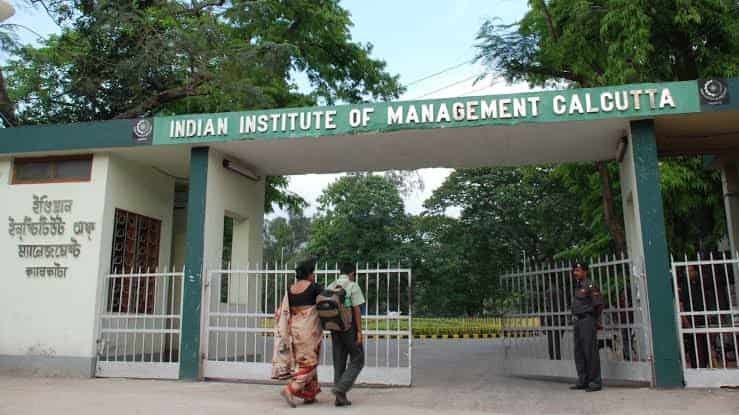
The first IIM was established in 1961 in Calcutta, now known as Kolkata. Soon after, another IIM was established in Ahmedabad. Over time, many more IIMs were opened across India.
Today, there are more than 20 IIMs in the country, including famous institutes like:
- IIM Ahmedabad
- IIM Bangalore
- IIM Calcutta
- IIM Lucknow
- IIM Indore
These institutes offer programs in management, business administration, finance, marketing, operations, analytics, and entrepreneurship.
Are IIMs Government Institutions?
Yes, IIMs are government institutions. They function under the Ministry of Education, Government of India.
Each IIM is recognized as an Institution of National Importance under the IIM Act passed by Parliament. This gives them a special status similar to other top public institutions in India.
Because IIMs are government institutions:
- They receive support and funding from the central government.
- Their policies follow government-approved regulations.
- Directors are appointed through official governing systems.
- They operate as autonomous public institutions.
Although IIMs manage academics independently, ownership remains with the government.
Why Do Some People Think IIMs Are Private?
Many students become confused because IIM fees are much higher compared to normal government colleges.
For example, MBA programs at top IIMs can cost several lakhs of rupees. Their campuses are also modern and world-class, similar to expensive private universities.
Another reason is that IIMs enjoy academic autonomy. They independently design courses, manage placements, and create their academic structure.
However, autonomy does not make them private institutions. Many top government institutions in India operate independently while still remaining government-owned.
How Are IIMs Funded?
IIMs receive financial support from the Government of India for:
- Campus infrastructure
- Research activities
- Faculty development
- Student scholarships
- Academic expansion
- New programs and innovation
Apart from government funding, IIMs also earn revenue through:
- Student fees
- Executive programs
- Consulting projects
- Industry partnerships
- Alumni donations
Still, the institutes remain under government ownership and supervision.
Difference Between IIMs and Private Business Schools
There are several differences between IIMs and private management colleges.
1. Ownership
- IIMs are owned by the Government of India.
- Private business schools are owned by private organizations or trusts.
2. Recognition
- IIMs are nationally recognized Institutions of National Importance.
- Private colleges may have varying levels of reputation and approval.
3. Admission Process
- IIM admissions mainly happen through CAT and other official selection processes.
- Private institutes may conduct separate exams or direct admissions.
4. Fees
- IIM fees are high but supported by strong placements and educational value.
- Some private colleges charge similar or even higher fees without equal reputation.
Why IIMs Are So Popular
IIMs are considered among the best management institutes in Asia. Graduates from IIMs work in top companies across the world.
Students prefer IIMs because of:
- Excellent placements
- Strong alumni network
- Experienced faculty
- Industry exposure
- Global recognition
- Leadership opportunities
Getting admission into an IIM is considered a major achievement because the competition is extremely tough.
Conclusion
IIMs are government institutions, not private colleges. They are established and supported by the Government of India and hold the prestigious status of Institutions of National Importance.
Although they have high fees, independent academic systems, and modern campuses similar to private universities, IIMs remain public government-funded institutions focused on providing world-class management education in India.