
DAV institutions are among the most widely recognized names in Indian education. Millions of students across the country study in DAV schools and colleges every year. A common question that students and parents often ask is whether DAV institutions are government-run or privately owned.
The simple answer is that DAV institutions are private. They are owned and managed by the DAV College Managing Committee (DAVCMC), a private educational organization. Despite the wide presence and large scale of DAV institutions, they are not directly owned or funded by the Government of India.
However, some DAV schools and colleges do receive government grants or aid, which sometimes leads to confusion about their status. The institutions themselves remain privately managed under a centralized trust.
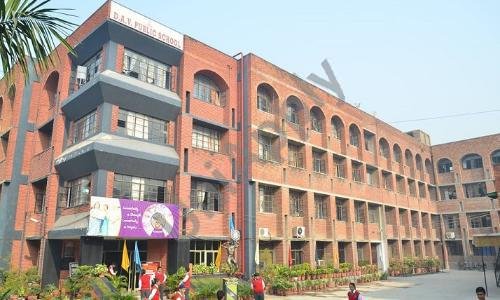
What Is DAV?
DAV stands for Dayanand Anglo Vedic. The DAV movement was founded in 1886 in Lahore (now in Pakistan) by followers of Swami Dayanand Saraswati, the founder of the Arya Samaj. The goal was to promote modern education alongside Vedic values and principles.
Today, DAV College Managing Committee (DAVCMC) is one of the largest non-governmental educational organizations in the world. It manages thousands of schools and colleges across India.
DAV institutions offer education at various levels including:
- Primary and secondary schooling
- Senior secondary education
- Undergraduate and postgraduate programs
- Professional and vocational courses
- Research and doctoral programs at affiliated colleges
DAV schools are affiliated with CBSE, while DAV colleges are affiliated with their respective state universities depending on location.
Is DAV a Government Institution?
No, DAV is not a government institution. It is a private educational organization managed by the DAV College Managing Committee, which is a registered private trust.
Because DAV is a privately managed institution:
- Its management and administration are handled by the DAVCMC trust, not by the government.
- Funding mainly comes from student fees, donations, and private sources.
- It has its own independent academic and administrative systems.
- Fee structures are set by the managing committee, not by government bodies.
It is important to note that some DAV colleges receive government grants and are classified as “grant-in-aid” institutions. These colleges receive partial financial support from the state government but remain under private DAV management.
Why Do Some People Think DAV Is Government?
There are several reasons why this confusion arises.
First, DAV institutions are present in almost every state in India. Their massive scale and wide network make them seem like a national government-run system rather than a private organization.
Second, some DAV colleges receive government grants, making students and parents believe they are government-funded institutions. While these colleges receive partial aid, the ownership and management still remain with the private DAV trust.
Third, DAV schools follow CBSE curriculum and maintain a strong academic reputation, which is often associated with well-established government schools. This further adds to the confusion.
How Are DAV Institutions Funded?
DAV institutions are primarily funded through private sources. The main sources of funding include:
- Student tuition and admission fees
- Donations from alumni and Arya Samaj organizations
- Revenue from hostel and other facilities
- Government grants for aided colleges (where applicable)
- Private investments and trust funds
Even in cases where government aid is provided, the overall control and management of the institution remain with the DAV College Managing Committee.
Difference Between DAV and Government Institutions
There are several key differences between DAV institutions and government institutions.
- Ownership
- DAV institutions are owned by the DAV College Managing Committee, a private trust.
- Government institutions are owned and operated by central or state governments.
- Fee Structure
- DAV fees vary by institution and are set by the managing committee.
- Government institutions generally offer highly subsidized fees.
- Funding
- DAV institutions mainly rely on private funding, fees, and grants where applicable.
- Government institutions receive consistent public funding from the government.
- Admission Process
- DAV school admissions are managed by the individual institution.
- Government school and college admissions typically follow centralized state or national processes.
Why DAV Is Popular
Despite being a private organization, DAV institutions are highly respected and trusted across India. Students and parents prefer DAV because of:
- Strong academic reputation built over more than 130 years
- Value-based education combining modern learning with cultural values
- Wide presence across urban and semi-urban areas of India
- Consistent academic results and disciplined environment
- Affiliation with CBSE ensuring national curriculum standards
- Active alumni network and community involvement
DAV has produced numerous successful professionals, academics, and leaders across different fields in India and abroad.
Conclusion
DAV institutions are private, not government-owned. They are managed by the DAV College Managing Committee, a private educational trust, and are not directly owned or funded by the Government of India.
While some DAV colleges receive government grants, the overall ownership, management, and administration remain with the private DAV trust. Despite being private, DAV institutions have earned a strong reputation for quality education and continue to serve millions of students across the country.